October is Prime Time For Salty Fly-rodding

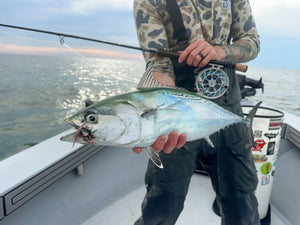
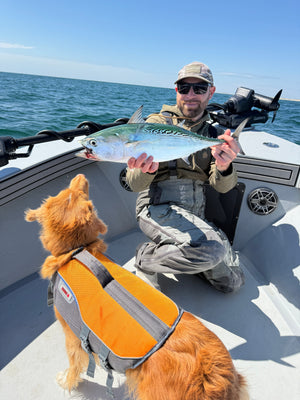
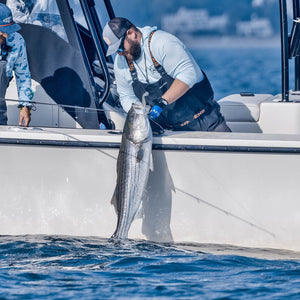
There’s a lot to be said for salty fly-rodding in local waters during the spring but truth be told, October is the true prime time on the inshore scene. When it comes to finding fast action, speedy fish, and aggressive strikes on a reliable basis, no other month even comes close. With a mix of false albacore, willing stripers, and gator blues driven by instinct to feed heavily before migrating, the potential for explosive, tackle-testing strikes and legendary battles can at times seem unlimited.
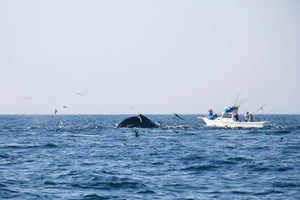
What drives this fast-paced action? Local water temperatures drop progressively from week to week this month. That drop signals any baitfish still lingering in creeks, rivers, back bays and harbor coves to move toward open waters or get left behind. Thus begins the full-throttled flush of bay anchovies, spearing, peanut bunker and menhaden driving toward the nearest inlet or connection to ocean waters. This predictable movement of gamefish fodder ignites the intensity of false albacore, bluefish, and stripers, rising from a simmer to a boil over just a few weeks.

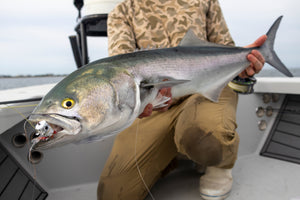
Big bluefish on fly are always a fun fall run side quest. Photo courtesy of Joey C Charters.
Usually taking hold right at the start of the month, this is for many fly-casters the height of the season. An occasional overnight storm with significant winds around mid-month can even heighten the urgency for baitfish to make a run for it—and predators respond with incredible abandon. With a little luck, an absence of major storms or prolonged, sharp temperature drops later in the month will allow a serious chopper and striper bite to extend well into November—sometimes even through Thanksgiving.
With the full-on fall blitz cued-up and ready to roll, it’s a good idea to take advantage of the albies first. These speedsters generally lead the parade but serve the shortest shift, so get on them as soon as rumors of their appearance sound factual; they will likely be gone by early November. Focus on the hardtails through mid-month using smaller minnow patterns and you’ll likely score well with thickening schools of bass and blues, too. All three species respond to well-known minnow patterns like Ghost Minnows, Glass Flies, and Bay Anchovies through mid-month.
 A nice variety of deceivers for the fly box. The do-it-all baitfish pattern!
For the second half of October, consider stepping up to larger flies as albie numbers steady and then begin to wane while the number of big bass and ‘gator blues reaches seasonal highs. Now is the time to throw some of the most substantial flies in your arsenal. Consider larger Deceiver patterns and Rattle Finger Mullets. Surface poppers like Bob’s Bangers and NYAP poppers are also excellent second-half choices.
As for gear, go with an 8-weight outfit if albies and school bass are your primary October targets, or a 9-weight setup if your focus centers on keeper bass and monster blues in windswept waters. That heavier setup provides extra push when casting into a decent wind while also helping to better control and tire true lunkers. Dedicated fly-fishing brands like Sage and Redington offer excellent choices in both the 8- and 9-wt rod categories, but be assured that we also carry plenty of other fly rods and fly reels, plus a full lineup of fly-fishing gear. If you need help putting together a setup that matches your needs and your budget, stop by the shop and we’ll match you up.
For those who are just getting their boots wet with salty fly-fishing, keep in mind it takes more practice to master than spin fishing, or bottom bouncing with a conventional outfit. Get out as many times as possible in the first weeks of October to ensure you’ll be ready when the blitz hits full steam come mid-month.
One sure way to prime yourself for October’s super action is to take fly-casting lessons. These can be land-based or included while charter fishing with a skipper who specializes in the long wand. Sure, you can roll video footage these days and view the secrets of making long, smooth casts, but first-hand instruction is a much faster way to acquire the subtle feel for making perfect presentations and strong hook sets.
On the idea of driving home the barb and keeping your fish buttoned, keep in mind it’s vital to set the hook with your fly line – not the rod. Fly rod tips are too soft to really stick the point on hard-jawed species like Fat Alberts, gorilla blues and keeper linesiders, so it’s best to use a power strip. To accomplish this, keep the rod tip pointed directly at a striking fish and strip hard on the line to sink the barb as deep as possible. It takes a little bit to figure out the timing, but once you do, your hook-up ratio should increase dramatically.
Yet another way to up your October fly-fishing success rate is to team with a partner and try the old bait-and-switch routine on surface-feeding bass and blues. Taking turns, one angler casts a hookless popper with spinning gear while the other uses a fly rod. The first angler pops the surface lure through the school and, as the fish get worked up, the fly caster drops an offering right alongside. At that point, the popper is quickly reeled in, leaving only the quickly worked fly to capture the imagination of the crazed gamesters. Three or four hard strips of the fly line are often all you need to generate a smashing strike. This method works especially well from boats.
Should you find yourself feeling your casting distance needs to improve, you are probably right in the long run. For now, however, take heart knowing that long casts may be necessary on clear, open flats - but a mere 40-footer might be all you need around bulkheads, docks, boulders, bridge abutments, and other hard structure, if the water is less than crystal clear.
Lastly, limit your false casting in short-cast scenarios since you’ll often have a single shot at getting your fly ahead of your target. Make one back-cast, shoot your line forward, and let it drop. Even should you miss the sweet spot by a few feet, the fish will find your fly if they are hungry.
- Bryce Poyer